



- Home
- Latest poker news
- A Second Chance or a Reputational Gamble? The Story of Ren Lin and WPT Global
A Second Chance or a Reputational Gamble? The Story of Ren Lin and WPT Global
Ren Lin, a renowned high roller, was caught ghosting, which led to his losing his contract with GGPoker and a ban from the WSOP. In January 2026, WPT Global unexpectedly announced him as its ambassador, sparking widespread backlash from the poker community. We delve into the details of this high-profile story.
Ren Lin's Backstory: Fall from the Top
Until October 2025, Ren Lin was seen as a standard fixture of the modern high-stakes poker scene. He had millions in career winnings, regularly played high-stakes online tournaments and live series, and held a contract with GGPoker. He wasn't a public showman, but he had influence at the tables and a reputation as a strong regular.
Everything changed after one of the GGMillion$ tournaments.Lin was found to have ghosted a fellow countryman during a final table. A ban followed, along with the termination of his contract with GG Team and sanctions from the WSOP. For a player of his stature, this effectively meant expulsion from the elite poker circle.
Many expected Lin to disappear from the public eye for an extended period. However, the pause was short-lived. Despite the bans and the serious blow to his reputation, he didn't disappear completely. Yet just a week after his high-profile disqualification in Cyprus, he appeared at a live WPT series.
WPT Global Announcement: Point of No Return
On January 11, 2026, WPT Global made the decision public and pushed an official post announcing Ren Lin as its new ambassador.The announcement remains available on the poker room’s website and portrays Lin in an entirely positive light.
The text presents Lin as a strong and recognizable player capable of strengthening the brand, especially in Asia. Of course, there's no mention of ghosting, bans, or previous scandals.
It was this contrast that triggered the controversy. The community perceived the announcement as a blatant disregard for one of the most pressing issues in online poker: fair play.
When the WPT disowned its own poker room
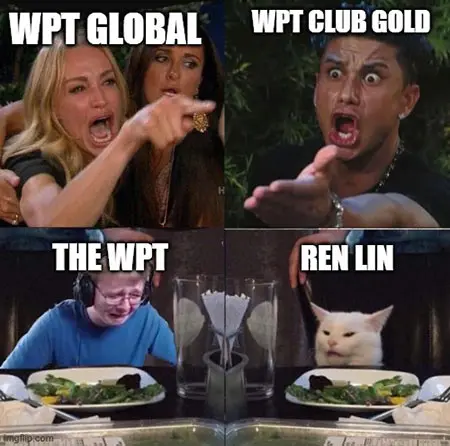
After a wave of criticism, the strangest turn of events occurred. The World Poker Tour, which now operates solely as an offline brand, issued its own statement rather than the online room. It emphasized that WPT Global operates under a license and makes its own decisions regarding ambassadors, and that the WPT itself does not officially approve them.
On paper, this amounted to a neutral legal position. In reality, it was a public distancing from an already made and recorded decision. It seemed as if there was no unified position within the WPT ecosystem, and that any approval was either nonexistent or merely perfunctory.
What was actually being removed
This is where the situation became murky. It wasn't the WPT Global announcement or the website page that was removed. Individual posts, comments, and social media statements related specifically to the World Poker Tour accounts and their response to the criticism began to disappear.
From the outside, this looked like an attempt to reverse the situation, even though the contract itself was still formally in effect. The result was an unusual situation: the online poker room confirmed its partnership, while the parent offline brand tried to distance itself from it.
Community Reaction and the Dara O'Kearney Podcast
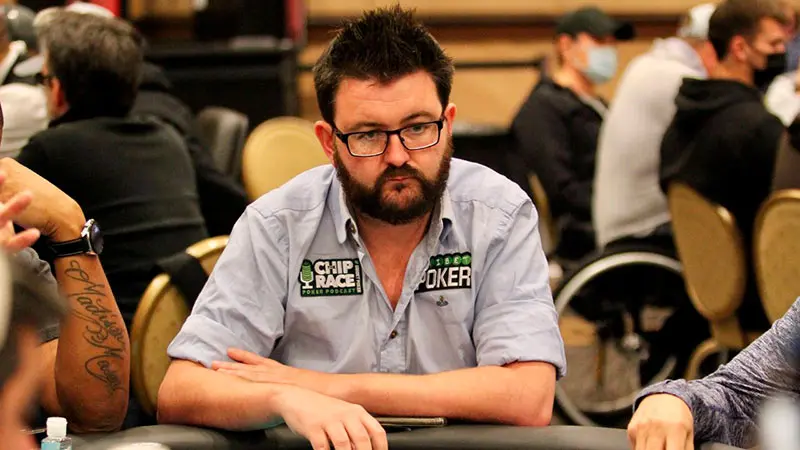
The scandal quickly spread beyond social media. Dara O'Kearney and David Lappin examined it in detail on the Chip Race Podcast. It was there that the idea was first raised that the core issue was not Ren Lin himself, but rather WPT Global's approach to trust and industry standards.
Shortly after, the podcast officially severed ties with WPT Global. This wasn't an emotional move or a response to hate, but a principled position on the part of people who had worked with the brand for a long time. For many players, this move confirmed that the situation had gone beyond a simple PR scandal.
Why did WPT do this?
The most plausible explanation for the World Poker Tour's behavior is reputational risk management. The offline brand works with regulators, casino partners, and licenses in various jurisdictions, where trust issues are taken much more seriously than online. The connection to the ghosting case, especially a recent one, could have created problems far beyond the poker community.
WPT Global, however, operates under a different logic. It's a growing poker room focused on the Asian market and willing to take controversial steps for attention and recognition. For a significant portion of the Asian audience, Ren Lin's name still carries weight, and the scandal itself is perceived more ambiguously.
It's highly likely that the decision to sign was made at the WPT Global level without full approval from the parent brand. When the reaction proved harsher than expected, WPT chose the safest option—publicly distancing itself without terminating the contract.
How will it all end?
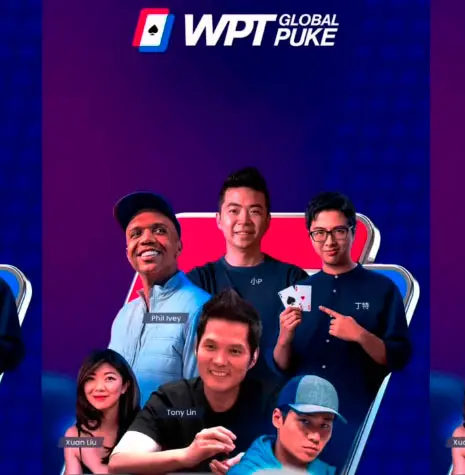
At this point, we can confirm the following: Ren Lin is indeed connected to WPT Global; the official contract announcement with the poker room exists and has not been cancelled. However, they are clearly in no rush to make him the public face of the brand.
Lin will likely remain a "secret ambassador" focused on promoting WPT Global in Asia, following a model similar to that of Nacho Barbero. The contract exists, but without active public promotion or a dedicated website page.
The story of Ren Lin and WPT Global has become a clear example of how a technically sound announcement can escalate into a serious reputational crisis if the context, timing, and internal coordination are flawed.
One of the year's largest tournament series will take place from November 27 to Decembe...
WPT Global popularity is growing fast, along with its pool of players. In this article, we will c...
QuintAce AI has become one of the biggest additions to the WPT Global app. Instead of exporting h...
Fintan Hand, a well-known Irish streamer, has joined the WPT Global team. He is the poker room's ...